 Tract
Tract
Dr. Marcus Webb
Board-Certified Urologist
Understand Your Body.
Know Your Options.
Every urological condition, mapped into plain language — with treatment pathways written for the person sitting in the waiting room, not the person behind the desk.
Kidney pain can be hard to place. These symptoms help narrow it down.
Check the symptoms you're experiencing
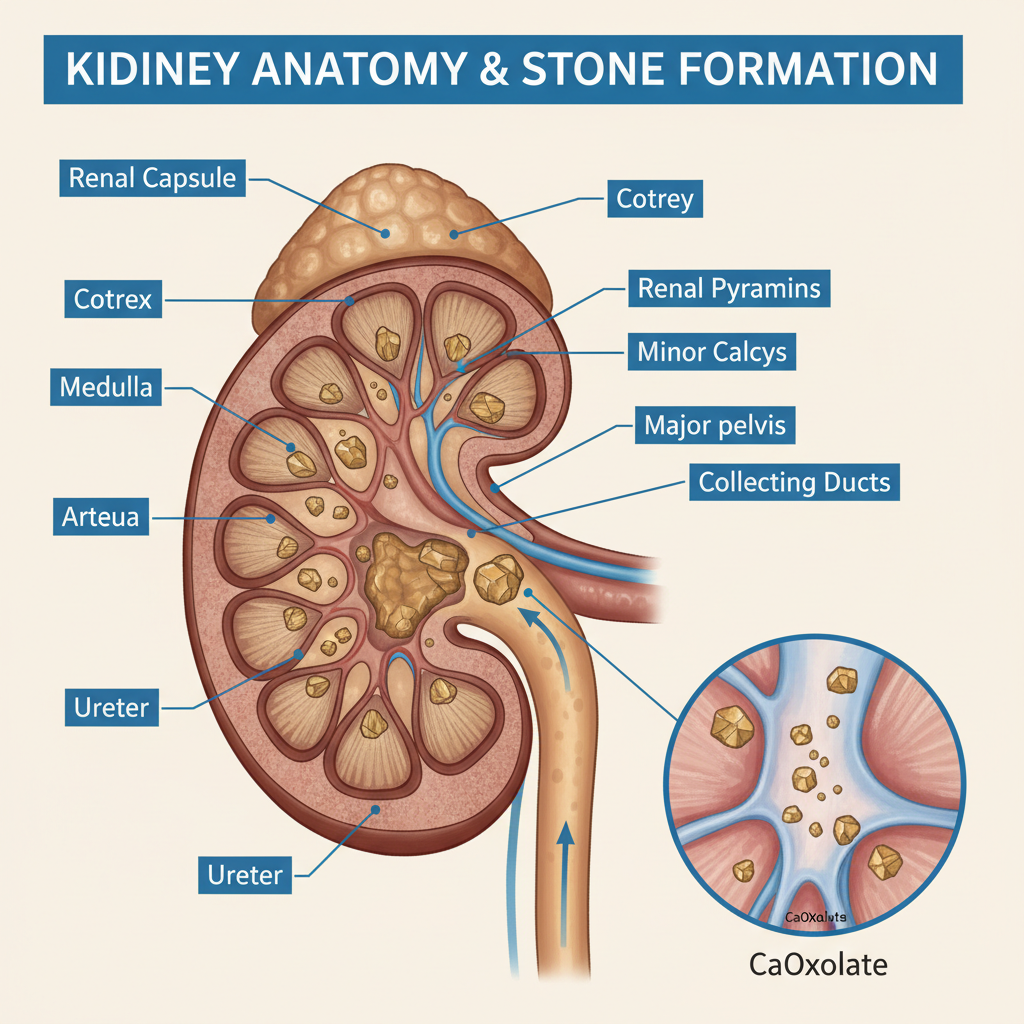
Kidney Stones (Nephrolithiasis)
Mineral deposits that form in the kidney and travel through the urinary tract. Most pass on their own; larger ones may need a procedure.

Kidney Infection (Pyelonephritis)
A bacterial infection that has traveled from the bladder up to one or both kidneys. Treatable with antibiotics; prompt care prevents complications.

Hydronephrosis
Swelling of a kidney due to a backup of urine — often caused by a blockage. Identifying the cause determines treatment.
What treatment looks like
For kidney stones under 5mm, treatment is usually watchful waiting — drinking 2–3 liters of water daily, taking over-the-counter pain relief (ibuprofen or acetaminophen), and straining urine to catch the stone. Stones between 5–10mm may be treated with alpha-blockers (a medication that relaxes the ureter to help the stone pass). Stones larger than 10mm, or those causing persistent obstruction, are typically treated with shock wave lithotripsy (sound waves that break the stone into passable fragments) or ureteroscopy (a thin camera passed through the urethra to remove or break up the stone). No incisions required for either procedure.
Bladder symptoms are common and often treatable — but they deserve attention.
Check the symptoms you're experiencing

Overactive Bladder (OAB)
A sudden, uncontrollable urge to urinate — often with frequency and sometimes leakage. Lifestyle changes and medications are highly effective.

Interstitial Cystitis (IC)
Chronic bladder pain and pressure without a bacterial infection. Often misdiagnosed for years — but manageable with the right specialist.

Recurrent UTIs
Three or more urinary tract infections in a year. Often linked to anatomy, hygiene habits, or hormonal changes — and preventable with the right plan.
What treatment looks like
Overactive bladder is usually treated in a step-by-step way: first, bladder training (scheduled voiding and urge-suppression techniques), then medications called antimuscarinics or beta-3 agonists (which relax the bladder muscle). If medications don't fully work, options include Botox injections into the bladder wall (an in-office procedure that takes about 20 minutes) or a small implanted nerve stimulator called a sacral neuromodulator. For recurrent UTIs, the approach shifts to prevention — identifying triggers, low-dose prophylactic antibiotics if needed, and in post-menopausal women, vaginal estrogen cream (which restores bladder-protective tissue).
Prostate symptoms affect most men over 50. Understanding them takes the fear out.
Check the symptoms you're experiencing

Benign Prostatic Hyperplasia (BPH)
An enlarged prostate — a normal part of aging that affects most men after 50. Not cancer. Very treatable with medication or minimally invasive procedures.

Prostatitis
Inflammation of the prostate — sometimes bacterial, sometimes not. Acute prostatitis comes on suddenly; chronic prostatitis can be more subtle.

Prostate Cancer Screening
PSA testing and what your numbers actually mean — a plain-language guide to the screening conversation, including when to act and when to watch.
What treatment looks like
BPH is treated based on how much symptoms affect quality of life. Mild symptoms: watchful waiting with lifestyle adjustments (limiting fluids before bed, reducing caffeine). Moderate symptoms: alpha-blockers (medications that relax the prostate muscles, starting to work within days) or 5-alpha reductase inhibitors (which gradually shrink the prostate over 6 months). When medications aren't enough, minimally invasive procedures like UroLift (small implants that hold the prostate open, no cutting, no heat) or Rezum (steam treatment, 10-minute office procedure) offer lasting relief without the side effects of traditional surgery.
Children's urological conditions are often caught early and treated successfully.
Check the symptoms you're experiencing

Vesicoureteral Reflux (VUR)
A condition where urine flows backward from the bladder toward the kidneys. Graded 1–5 by severity — many children outgrow lower grades without intervention.

Undescended Testicle (Cryptorchidism)
A testicle that hasn't moved into its proper position in the scrotum before birth. Corrected with a straightforward outpatient surgery called orchiopexy.

Pediatric Bedwetting (Nocturnal Enuresis)
Involuntary urination during sleep — extremely common and almost always outgrown. Behavioral strategies and, when needed, medication are both effective.
What treatment looks like
Vesicoureteral reflux grades I–III are typically managed with low-dose preventive antibiotics and regular kidney ultrasounds to monitor for changes. Many children with grades I–III see their reflux resolve as the ureter matures — no surgery required. Grades IV–V, or cases where kidney infections keep occurring despite antibiotics, may be treated with a minimally invasive injection procedure (deflux — a gel injected into the bladder at the ureter opening) or surgical reimplantation of the ureter. Both have excellent outcomes. For all pediatric conditions, we work closely with your pediatrician and explain every step in plain language to parents.
These concerns are more common than most men realize — and more treatable than they fear.
Check the symptoms you're experiencing

Erectile Dysfunction (ED)
Difficulty getting or keeping an erection firm enough for sex. Affects 1 in 3 men over 40. Often a signal of cardiovascular health — and very treatable.

Peyronie's Disease
Scar tissue inside the penis causes curved, painful erections. More common than most men realize — and now treatable with an FDA-approved injection therapy.
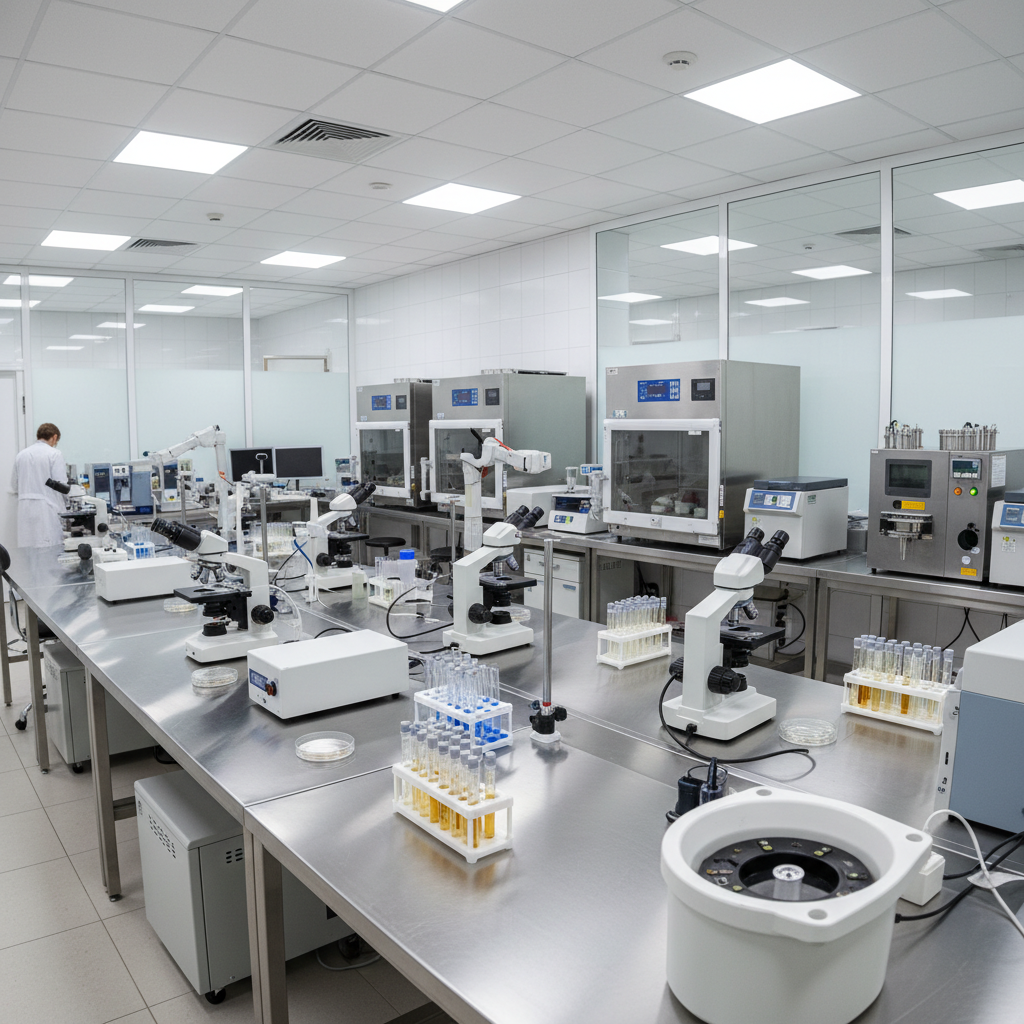
Male Infertility
Male factor accounts for 40–50% of infertility cases. Semen analysis is a simple first step; many causes — from varicocele to hormonal imbalance — are correctable.
What treatment looks like
For erectile dysfunction, treatment starts with understanding the cause. Oral medications (PDE5 inhibitors like sildenafil or tadalafil) work for most men and are safe with proper screening. When oral medications aren't effective, options include vacuum erection devices, penile injections (alprostadil — sounds alarming, works extremely well), or penile implants (the most effective long-term solution for severe ED, with 95%+ patient satisfaction). For Peyronie's disease, Xiaflex injections (collagenase) are FDA-approved and can reduce penile curvature by 35% or more without surgery. All conversations are confidential — this is a medical issue, not a personal failing.
If surgery has been mentioned, here's what every procedure actually involves.
Check the symptoms you're experiencing
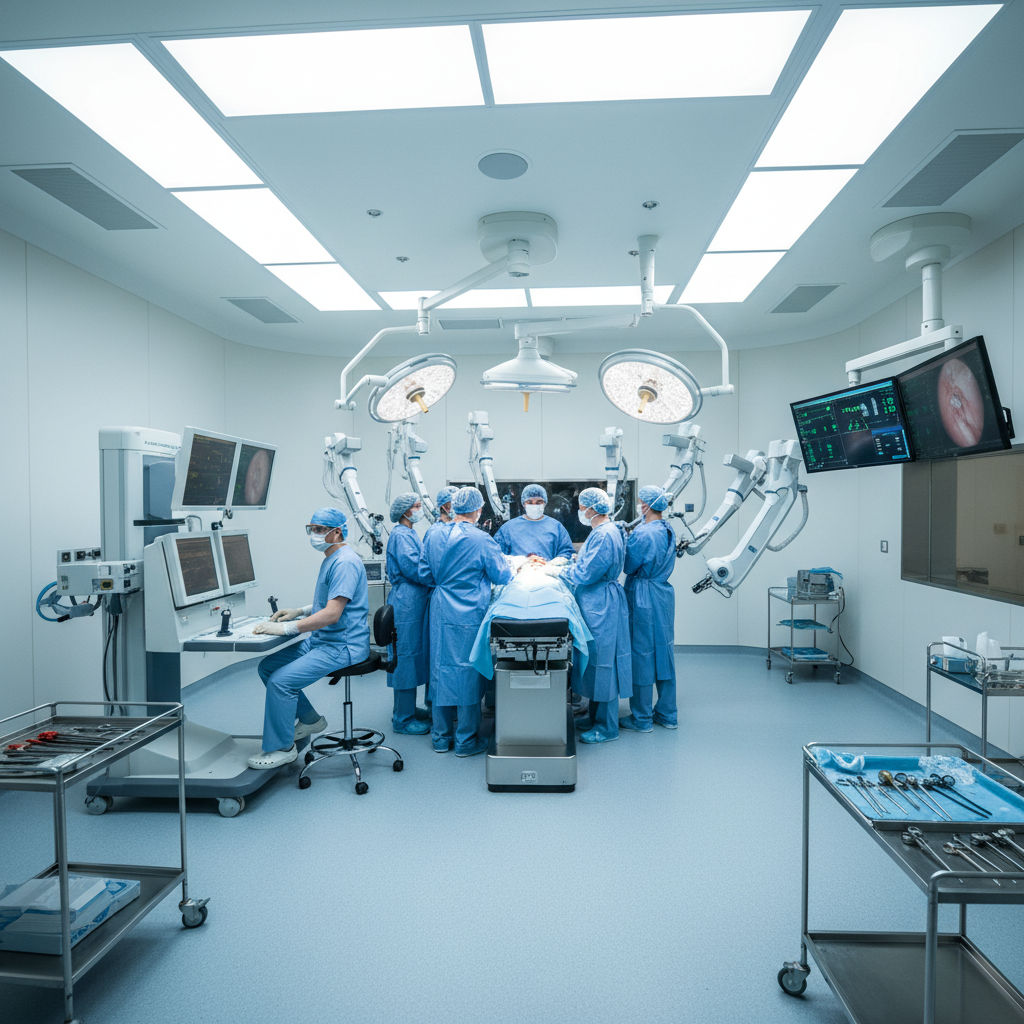
Ureteroscopy (URS)
A thin, flexible camera passed through the urethra to the ureter or kidney — no incisions. Used to remove or break up kidney stones. Outpatient; home the same day.
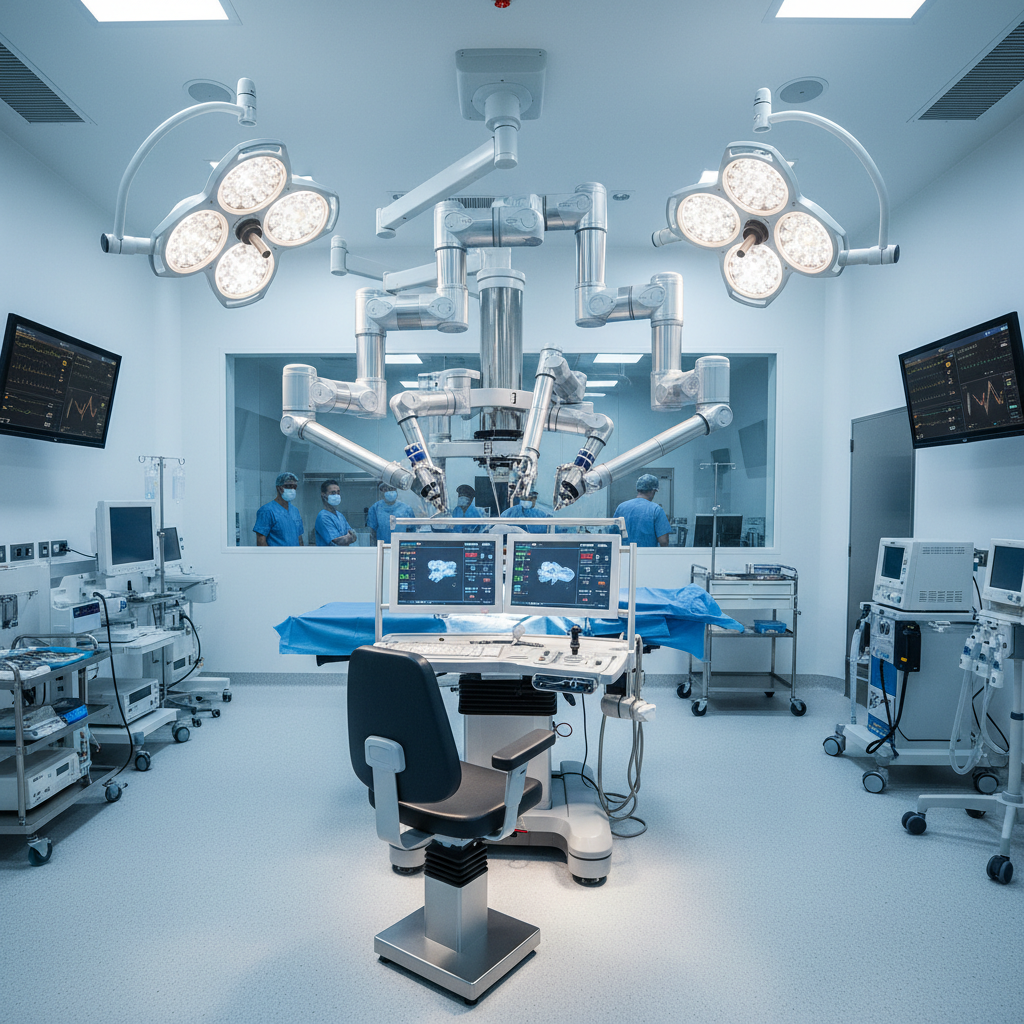
Robot-Assisted Prostatectomy
Removal of the prostate using robotic arms controlled by the surgeon — 5 small incisions, precise movement, faster recovery than open surgery.

UroLift for BPH
Small permanent implants that pull the enlarged prostate tissue away from the urethra — like opening a curtain. In-office or outpatient. No cutting, no heat, no hormonal side effects.
What treatment looks like
Every procedure guide on Tract follows the same structure: what the procedure is (in plain English), why it's recommended, what happens on the day of surgery, what recovery looks like day by day, and what results to expect. We include the questions you should ask your surgeon before agreeing — and we explain what "minimally invasive" actually means in each context, because it means different things for different procedures. If a procedure has been recommended to you and something doesn't feel clear, that's worth a second conversation before you sign consent.

Dr. Marcus Webb
Urologist · Tract Founder
18 years · San Francisco, CA
I built Tract because too many patients arrived at their first appointment having spent weeks reading articles that scared them rather than informed them. Every guide here is written the way I explain things in the exam room — no Latin without a translation, no worst-case scenario without context.
18+
Years in Practice
4,200+
Patients Treated
6
Specialty Areas
98%
Patient Satisfaction
“You deserve to understand what's happening in your own body. That understanding is where good decisions begin.”
— Dr. Marcus Webb
What changes when you finally understand
“I found Tract at 11 p.m. after a CT scan showed a 6mm kidney stone. The guide walked me through exactly what the next two weeks would look like — the hydration protocol, when to go to the ER, what the ureteroscopy involves. I walked into my appointment already calm.”
David Hartley
Kidney Stone, age 54
“My OB referred me after my fourth UTI in six months. I'd never heard of interstitial cystitis before Tract explained it. Knowing there was a name for what I felt — and that it was treatable — changed everything before I even saw the specialist.”
Jennifer Okonkwo
Bladder Health, age 38
“When our son was diagnosed with vesicoureteral reflux at 18 months, the discharge paperwork was incomprehensible. Tract's pediatric section explained grade III reflux in plain English and helped us ask the right questions at his follow-up.”
Thomas & Rachel Brennan
Pediatric Urology, parents
Book a Confidential Consultation
Everything you share stays between you and Dr. Webb's office. No referral needed.
Not ready to call yet?
Download a free symptom guide — no appointment required.